
غير مصنف
An Introduction to the Casino Licensing Process

When you opt to play at an online casino, whether for the first time or as a regular, the crucial question you need to ask is not regarding the welcome bonus or the variety of slot games. It is if the operator possesses a valid, recognised gambling licence. At slimkingcasino conditions d’utilisation, we have constructed our entire operation around the principle that a credible licence is the foundation of trust, fairness, and long-term security. We understand that the licensing process can appear opaque, packed with technical jargon and a variety of jurisdictions, each with its own reputation. This guide clarifies exactly what a casino licence entails, how an operator secures one, and what it signifies for you as a player and for our affiliate partners. We will walk you through the multi-stage journey from initial application to ongoing supervision, underscoring the rigorous checks that separate a legitimate platform from a risky one. By the time you finish reading, you will be able to assess any casino’s credentials with confidence and comprehend why we view our licensing commitments the most vital feature of Slimking Casino.
Why a Casino Licence is Essential
A gambling licence is not merely a decorative badge shown in a website footer. It is a legally binding authorisation that transforms an online gaming platform from an unaccountable entity into a regulated business subject to continuous oversight. Without a licence, there is no independent authority ensuring fair games, segregated deposits from operational funds, or personal data handling under strict data protection standards. For us, operating without a licence is absolutely out of the question. When a casino applies for a licence, it voluntarily enters a regulatory framework designed to prevent money laundering, protect vulnerable people, and guarantee the fairness of every bet. We consider licensing the ultimate separator between a shady website and a real entertainment brand. It forces operators to maintain transparent accounting, submit to external audits, and demonstrate financial reserves sufficient to pay out all player winnings, even in extreme circumstances. When you play at a licensed casino, you step into an environment where the rules are clear, the outcomes are not manipulated, and a higher authority holds the operator accountable for every promise made.
The licensing process also creates a direct line of recourse for players. If a conflict occurs over a delayed withdrawal or a misinterpreted bonus term, you are not stuck arguing with an anonymous support agent who can vanish at any moment. You can refer the matter to the issuing regulator, which has authority to investigate, mediate, and even revoke the operator’s licence if serious deficiencies are discovered. This influence completely shifts the balance between player and casino. It eradicates the “take it or leave it” method seen on unlicensed sites and replaces it with a formal complaints procedure that insists on fair handling. At Slimking Casino, we welcome this level of scrutiny. It gives our community confidence that our internal procedures are solid and that any mistake will be detected by an independent auditor long before it impacts a player’s experience. For affiliates promoting our brand, the licence is just as crucial; it means they are sending traffic to a partner that will not disappear overnight and will honour the commercial terms of any affiliation agreement with the same care it uses for player protection.
Background Investigations and the Fitness and Propriety Check
The “fit and proper” test is one of the most thorough components of casino licensing, and it is implemented not only to the corporate entity but to any person who can shape strategic decisions. Regulators examine thoroughly the personal histories of directors, senior managers, and significant shareholders. They seek any criminal convictions, especially those related to fraud, money laundering, or dishonesty offenses, but they also scrutinize civil litigation, regulatory sanctions in other sectors, and even adverse media coverage. We found this process to be demanding but completely warranted. A person with a history of financial mismanagement or a hidden disqualification from a different industry has no place running a business that holds millions of euros in player deposits. The background check extends to professional qualifications and the veracity of the CVs submitted. Regulators have been known to get in touch with former employers and educational institutions to validate claims, and any exaggeration is viewed as a serious red flag that can block the application permanently.
Beyond individual probity, the test appraises the overall corporate structure. Regulators demand a transparent ownership chain with no opaque shell companies in secrecy jurisdictions. They insist on full disclosure of all direct and indirect owners, down to the ultimate natural persons. This prevents criminals from hiding behind layers of corporate veils while siphoning profits from an unlicensed or poorly supervised gambling operation. During our own application, we supplied extensive documentation detailing every equity interest, and we still update the regulator whenever any ownership change is proposed, no matter how minor. For affiliates, this means that promoting a licensed brand is not a gamble on an unknown entity. The people behind the casino have been checked, their identities are known to the regulator, and they cannot simply wind up the company and re-emerge under a new name without facing significant legal consequences.
Through the Application Process: A Detailed Breakdown
The road from a business idea to a properly regulated online casino is not quick or straightforward. It can take six months to more than a year, based on the jurisdiction and the complication of the corporate structure. When we applied for our licence, every stage was designed to remove operators that lacked the financial substance, technical competence, or ethical standing to manage player funds. The application process is a series of documentation, interviews, and system audits that leaves no stone unturned. Comprehending this sequence enables players and affiliates appreciate why a licence has so much weight and why unlicensed sites are such a dangerous shortcut. The following ordered list outlines the core phases that every legitimate operator must complete before processing a single bet.
- Drafting of corporate and personal documentation: The applicant must submit notarised copies of company registration certificates, shareholder registers, and thorough CVs of all directors and final beneficial owners. Any inconsistencies or inconsistencies result in instant rejection.
- Comprehensive business plan and financial projections: Regulators mandate a entirely costed business plan outlining how the casino will operate, promote itself, and remain solvent. This includes source-of-wealth declarations for all key investors, verifying that the capital placed into the business comes from legitimate origins.
- Fit and proper assessments: Every party in a capacity of control undergoes a background background investigation, often encompassing police clearance certificates, credit checks, and reviews of any past involvement in failed companies or regulatory breaches.
- Technical systems audit: The casino’s gaming platform, random number generator (RNG), and back-office systems are sent to an autonomous testing laboratory. Only when the lab certifies that all games run within the mandated return-to-player parameters and that the platform is safe does the process move forward.
- Policy and procedure submission: Regulators demand written policies addressing anti-money laundering, responsible gambling, data protection, complaints handling, and business continuity. These must be practical documents, not abstract templates, and the applicant must show staff training on each one.
- Compliance review and interview: A regulatory panel or authorised officer reviews the whole application package and conducts in-depth interviews with key personnel. This is where the applicant must prove genuine understanding of regulatory obligations, not just repeat memorised answers.
- Payment of licence fees and provision of financial guarantees: Once all requirements are fulfilled, the operator pays substantial annual fees and often provides a bank guarantee or places a significant sum into a dedicated player protection fund.
- Final sign-off and issuance of the licence certificate: Only after every prior step is verified does the regulator award the licence, allowing the casino to begin operations under a rigorous monitoring regime that commences on day one.
The Key Licensing Jurisdictions
Not all permits hold the same importance, and the regulatory landscape is home to jurisdictions that vary from world-class authorities to those with far looser controls. The most respected licences in the online gaming industry come from a small number of territories that have created comprehensive legal frameworks, rigorous supervisory bodies, and a reputation of enforcement. As you explore different casinos, you will frequently come across references to a few key regulators. Understanding their nuances helps you evaluate the level of protection you are obtaining. We hold our licence from one of the most strict authorities in Europe, a choice we made purposefully to match the high expectations of the French market. Below is a concise list of the primary jurisdictions that set the global standard for casino licensing, along with a brief note on what makes each unique.
- Malta Gaming Authority (MGA): Considered the top standard for many European-market casinos, the MGA combines strict financial probity checks with comprehensive technical audits and an robust player protection framework.
- United Kingdom Gambling Commission (UKGC): Frequently deemed the toughest regulator globally, the UKGC imposes substantial penalties for non-compliance and requires operators to uphold the topmost levels of anti-money laundering and social responsibility measures.
- Gibraltar Authority: A established jurisdiction with a intense focus on financial stability and corporate governance, preferred by many long-standing operators.
- Alderney Gambling Authority: Known for its emphasis on technical testing and game fairness certifications, rendering it a esteemed choice for brands that prioritise transparent RNG validation.
- Curaçao eGaming License: A broadly used licence that offers reduced barriers to entry; while it offers a legal framework, its supervisory depth and player fund segregation requirements are typically not as demanding than the European tier-one regulators.
When a casino holds a licence from the MGA, UKGC, or Gibraltar, you are viewing an operator that has passed thorough background checks and placed significant funds as a guarantee. These governing bodies require verification that the business has no connections to criminal activity, that all essential personnel are fit and proper, and that the technical platform has been approved by an accredited testing laboratory. For our part, we selected a jurisdiction that imposes regular compliance audits and requires the segregation of player funds from operational capital. This implies that no matter what corporate events occur, the money in your account remains safeguarded. Affiliates should pay close attention to the licence type as well, because a partnership with an MGA or UKGC-licensed brand offers far greater stability and a lower risk of reputational damage than promoting a site operating under a sub-licence with minimal oversight.
Technical Inspections and Game Fairness
A casino licence is irrelevant if the games themselves are not independently verified. This is why every regulated jurisdiction demands that the gaming software and random number generator go through certification by an recognised testing body. Laboratories such as eCOGRA, iTech Labs, GLI, and BMM Testlabs subject the platform to millions of simulated game rounds, contrasting actual results against the statistically expected outcomes. They confirm that the advertised return to player percentages are precise and that the RNG operates without detectable patterns that could be exploited or that indicate manipulation. At Slimking Casino, our entire game library is offered by developers who are themselves licensed and regularly audited, which adds a second layer of assurance. The technical audit also inspects the security of the platform, assessing encryption protocols, the integrity of the financial transaction systems, and the segmentation between live operational data and back-office databases to prevent unauthorised interference.
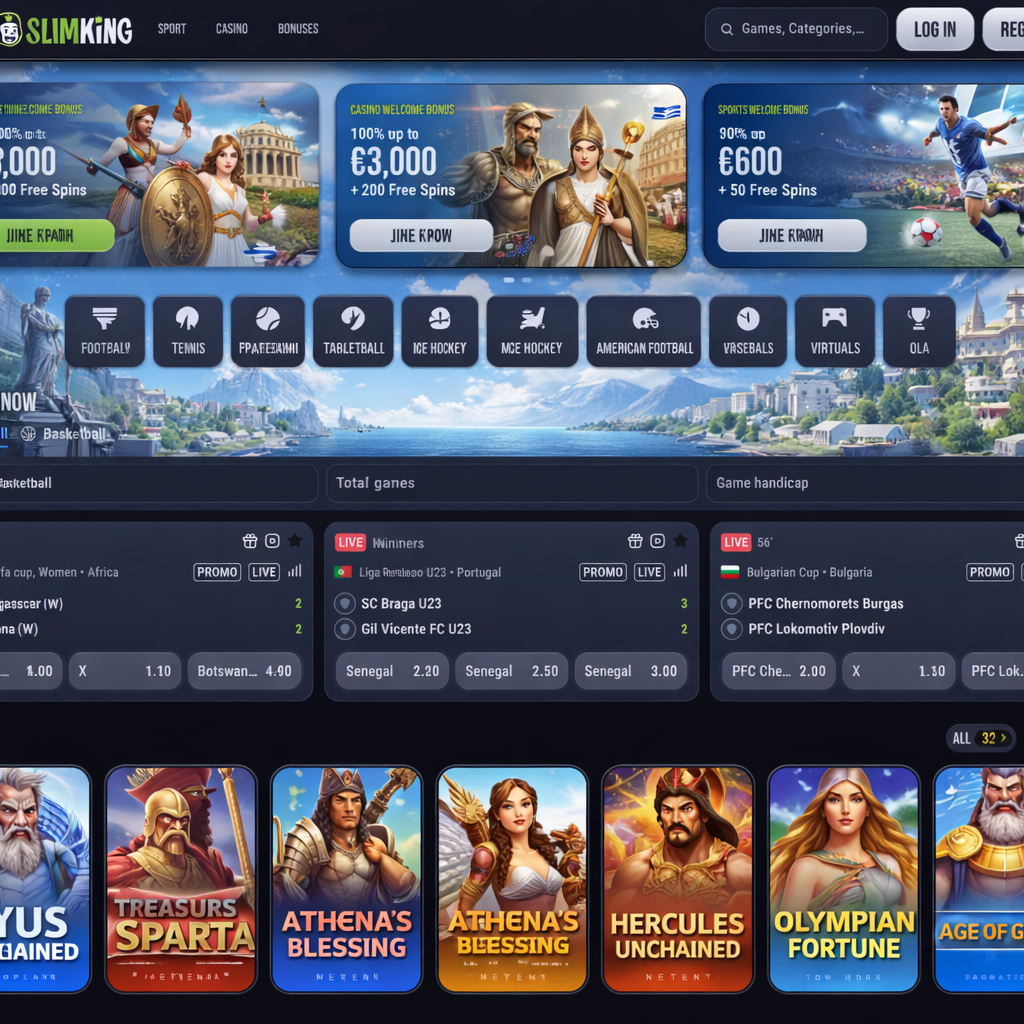
What many players do not understand is that these audits are not a one-time thing. The regulator requires ongoing re-certification, and any change to the gaming platform, such as introducing a new game supplier or updating the RNG algorithm, triggers a fresh round of testing. This continuous monitoring cycle means that at no point can a licensed casino sneak in a rigged variant of a game. If an auditor detects a deviation, the operator must rectify it immediately or risk having its licence revoked. When we communicate with our affiliate partners, we highlight this technical rigour because it directly impacts conversion and retention. A player who experiences honest results and sees auditable payout percentage reports is far more likely to become a regular player. Marketing an unlicensed casino that uses uncertified software is not only unethical, it is also a fast track to high churn and reputational damage for the affiliate.
The way Licensing Influences Affiliate Partnerships
For affiliates, working with a licensed casino is not just a box-ticking exercise; it is a essential risk management decision. The licence determines the legal framework within which the complete commercial relationship functions. When an affiliate markets an unlicensed brand, they subject themselves to several dangers. First, the operator can change commission terms, shave player accounts, or shut down without warning, leaving the affiliate with no legal recourse since there is no regulator to appeal to. Second, in many jurisdictions, promoting unlicensed gambling can itself become a legal violation, conceivably putting the affiliate’s own business at risk of fines or domain blacklisting. We work directly with our affiliates to ensure that all promotional materials comply with the advertising standards set by our regulator, which include clear responsible gambling messaging, restrictions on targeting minors, and a ban on misleading bonus claims.
Our affiliate programme is built on the understanding that a licensed environment generates higher lifetime player value. Customers who have confidence in the platform deposit more and play longer because they know their funds are safe and that withdrawals will be processed within the regulatory timeframes. This trust directly results in better conversion rates and lower refund ratios for affiliates. We provide our partners with verifiable licence information, real-time compliance updates, and marketing assets that have been pre-approved to meet regulatory requirements. When an affiliate can assuredly point to a current, valid licence from a tier-one European regulator, they are not just selling a product; they are presenting a guarantee of security that sets their promotion apart from the ocean of unregulated operators flooding the internet. The licence is the most powerful answer to the question, “Why should I trust this casino?” and we make sure our affiliates have all the tools to communicate that message effectively.
Ongoing Compliance: Beyond a One-Time Check
Securing a licence is not the final step; it is the beginning of a permanent relationship with a regulator that demands continuous transparency. We provide quarterly financial reports, annual audited accounts, and immediate notifications of any significant changes to our business. Anti-money laundering (AML) obligations oblige us to oversee every transaction in real time, flag suspicious activity, and file suspicious transaction reports with the relevant financial intelligence unit. The regulator can, at any time, perform an unannounced compliance audit, either from a distance or by dispatching a team to our offices. These inspections cover everything from the way we confirm customer identities to the response times of our responsible gambling tools. We also have to show that our player protection measures are not merely theoretical policies but are actively enforced, including self-exclusion lists, deposit limits, and reality checks.
For French players used to the high standards of the French regulatory system, this level of ongoing oversight should appear familiar. It parallels the rigorous approach taken by the Autorité Nationale des Jeux, even if our licence is issued by a distinct European body. We frequently train our staff on updated AML directives and gambling regulations, because a single compliance failure can lead to fines that amount to millions of euros and, in the worst case, licence revocation. The cost of keeping a licence is substantial, but we regard it as a essential component of operating a sustainable business. Affiliates benefit from this commitment because it means the brand they promote is constantly monitored, financially stable, and unlikely to be shut down overnight by a regulatory crackdown. When you see a casino that has held the same licence for several years without disciplinary action, you are looking at an operator that takes its legal obligations seriously every single day.
Red Flags: Signs of an Dubious Setup
Even a rapid scan of a casino website can reveal whether you are facing a authentically licensed operator or one that simply inserted a logo in the footer. The first thing we recommend you to do is click on the licence seal. A valid operator will offer a direct, clickable link that brings you to the regulator’s official website, where you can check the licence number and see the current status. If the seal is just a static image with no hyperlink, or if the link leads to a page that appears like a cheap reproduction of a regulator’s site, it is a major warning sign. Equally alarming is a casino that states to be “licensed and regulated” without naming a https://www.reddit.com/r/poker/comments/1ifaf1s/anybody_know_what_chinese_poker_is_actually_called/ specific authority or providing a confirmable registration number. Transparency is a core condition of every serious licence, and any endeavor to hide these details should be treated as disqualifying.
Other red flags comprise the absence of a clearly stated dispute resolution procedure, no mention of an alternative dispute resolution provider, and terms and conditions that seem to have been copied from another site with references to a different regulator. We also suggest looking at the company name in the terms; if it leads to a corporate entity registered in a secrecy jurisdiction with no public filings, the risk grows significantly. Below is a concise bullet list of signals that demand immediate caution, assembled from our own due diligence processes when evaluating potential partners and competitors.
- The licence seal is not clickable or leads to a generic page rather than a live regulator entry.
- No licence number is presented, or the number format does not match the regulator’s official style.
- The casino asserts multiple licences but only displays one seal, often from a low-scrutiny jurisdiction.
- The operator’s terms and conditions neglect to name the licensed entity or refer to a different company than the one listed on the regulator’s site.
- Customer support cannot supply a valid licence number or sends you to a dead page when questioned.
- There is no evidence of independent game fairness certification from an accredited testing lab.
- The website misses responsible gambling tools such as deposit limits, self-exclusion, or reality checks.
- Withdrawal requests are delayed beyond standard periods with no recourse to an external complaints body.
Our Approach to Transparency
At Slimking Casino, we have opted to put our licensing information up front because we believe that an informed player is a confident player. Our licence credentials are publicly verifiable, and we invite anyone looking at our platform to verify them directly with the issuing authority before submitting a deposit. We do not mask behind ambiguous phrases like “fully licensed” without naming the jurisdiction or the licence number. Instead, we present the exact details and refer to the live regulatory entry. This candour extends to our affiliate programme, where we supply partners with a dedicated compliance resource section holding our licence certificate, dispute resolution contact, and an up-to-date summary of our registration details. We have found that affiliates who value this transparency are able to craft more compelling content, because they can back every claim with verifiable facts rather than marketing fluff.
Our commitment to transparency also means that we are candid about the boundaries of our licence. No operator is perfect, but a licensed casino works within a system that identifies errors and compels corrections. If a mistake occurs, our regulator offers a clear pathway for resolution that protects your funds and your rights. We have integrated this philosophy into every aspect of our operations, from the clarity of our bonus terms to the real-time visibility of your transaction history. For the French market, where players are highly educated about gambling regulation and require proof of fairness, this approach is not optional; it is the price of entry. We are proud to pay that price, and we will continue to put resources in the compliance infrastructure that preserves our licence in good standing, because trust is the only currency that is important in the long run.
